Buy sportsincanada.com ?
We are moving the project
sportsincanada.com .
Are you interested in purchasing the domain
sportsincanada.com ?
domain@kv-gmbh.de · 0541-91531010
Buy sportsincanada.com ?
How do dipole-dipole forces affect the boiling temperature?
Dipole-dipole forces are attractive forces between the positive end of one polar molecule and the negative end of another polar molecule. These forces cause the molecules to be attracted to each other and stick together, making it more difficult for them to break apart and become a gas. As a result, substances with stronger dipole-dipole forces will have higher boiling temperatures because more energy is required to overcome these attractive forces and turn the substance into a gas. Therefore, the presence of dipole-dipole forces can increase the boiling temperature of a substance. **
Why are hydrogen bonds stronger than dipole-dipole interactions?
Hydrogen bonds are stronger than dipole-dipole interactions because they involve a specific interaction between a hydrogen atom and a highly electronegative atom such as oxygen, nitrogen, or fluorine. This creates a strong partial positive charge on the hydrogen atom and a strong partial negative charge on the electronegative atom, leading to a strong attraction between the two. In contrast, dipole-dipole interactions occur between the partial positive and negative charges of polar molecules, which are generally weaker than the specific interaction between a hydrogen atom and a highly electronegative atom in a hydrogen bond. **


Similar search terms for Dipole
Top-Angebote
Products related to Dipole:
-
Friendly Fresh Finds Antifreeze Mask For Winter Cycling, Skiing And Running Cold Weather Gear Antifreeze Mask For Winter Cycling, Skiing And Running Cold Weather GearStay Warm and Protected with the Ultimate Winter Cycling Antifreeze Mask When the temperatures drop, don't let the cold weather stop you from enjoying your favorite outdoor activities. The Winter Cycling Antifreeze Mask is designed to keep you warm...27,97 $*Shipping: 0,00 $Secure redirect to the provider
-
Perfect Picks Market GTUBIKE Winter Cycling Mask Thermal Face Cover For Skiing, Running & Outdoor Sports GTUBIKE Winter Cycling Mask Thermal Face Cover For Skiing, Running & Outdoor SportsCold air, harsh wind, and freezing rides shouldnt stop your adventure. This winter cycling mask is designed to keep your face, ears, and neck comfortably warm during outdoor activities in cold weather. Made for cyclists, skiers, runners, and...31,97 $*Shipping: 0,00 $Secure redirect to the provider
-
Inspired Living Thermal Windproof Balaclava Mask For Cycling, Skiing & Motorcycle Riding coffeeCold winds shouldnt stop your adventure. This winter balaclava mask is designed for riders, skiers, and outdoor enthusiasts who demand warmth without bulk. Made with soft fleece lining and a snug fullface fit, it shields you from biting wind while...26,97 $*Shipping: 0,00 $Secure redirect to the provider
-
Perfect Picks Market Windproof Winter Cycling Mask For Motorcycle, Skiing & Hiking Warm, Breathable Face Shield Unisex Windproof Winter Cycling Mask For Motorcycle, Skiing & Hiking Warm, Breathable Face Shield UnisexStay warm and protected this winter with our windproof winter cycling mask. Designed for outdoor enthusiasts, this mask offers exceptional comfort and breathability, making it perfect for a variety of activities such as cycling, skiing, and hiking....29,97 $*Shipping: 0,00 $Secure redirect to the provider




-
Why do ethers have only weak dipole-dipole interactions?
Ethers have only weak dipole-dipole interactions because the oxygen atom in the ether molecule is less electronegative than the oxygen atom in alcohols or the nitrogen atom in amines. This results in a smaller difference in electronegativity between the oxygen and the carbon atoms in the ether molecule, leading to weaker dipole moments. As a result, the overall dipole-dipole interactions in ethers are weaker compared to molecules with larger electronegativity differences, such as alcohols and amines. **
-
Is the ammonia molecule a dipole or not a dipole?
The ammonia molecule is a dipole. This is because the molecule has a trigonal pyramidal shape with a lone pair of electrons on the nitrogen atom. The electronegativity difference between nitrogen and hydrogen causes the molecule to have a net dipole moment, with the nitrogen end being partially negative and the hydrogen end being partially positive. This makes ammonia a polar molecule. **
-
Why is CO2 not a dipole and H2O a dipole?
CO2 is not a dipole because it has a linear molecular geometry, meaning the two oxygen atoms are symmetrically arranged around the central carbon atom, resulting in a net dipole moment of zero. On the other hand, H2O is a dipole because it has a bent molecular geometry, causing the oxygen atom to pull the shared electrons closer to itself, resulting in a net dipole moment. This uneven distribution of charge creates a positive end (the hydrogen atoms) and a negative end (the oxygen atom), making H2O a polar molecule. **
-
When do Van der Waals forces and dipole-dipole interactions occur?
Van der Waals forces occur between all atoms and molecules, regardless of their polarity, due to temporary fluctuations in electron distribution. Dipole-dipole interactions, on the other hand, occur between polar molecules that have a permanent separation of positive and negative charges. Both types of interactions are important in determining the physical properties of substances, such as their boiling and melting points, and play a significant role in the behavior of gases, liquids, and solids. **

What is the difference between a dipole and a non-dipole?
A dipole is a molecule that has a separation of positive and negative charges, resulting in a net dipole moment. This means that the molecule has a non-uniform distribution of electron density, leading to a partial positive and partial negative charge. On the other hand, a non-dipole molecule has a symmetrical distribution of electron density, resulting in no net dipole moment. This means that the molecule does not have a separation of positive and negative charges, and therefore does not exhibit dipole-dipole interactions. **
What is the difference between hydrogen bonding and dipole-dipole interactions?
Hydrogen bonding is a specific type of dipole-dipole interaction that occurs between a hydrogen atom bonded to a highly electronegative atom (such as oxygen, nitrogen, or fluorine) and another electronegative atom in a different molecule. This type of interaction is stronger than regular dipole-dipole interactions because of the large electronegativity difference between the hydrogen and the other atom, resulting in a stronger attraction between the molecules. In contrast, dipole-dipole interactions occur between the positive end of one polar molecule and the negative end of another polar molecule, but do not involve a hydrogen atom bonded to a highly electronegative atom. **
Top-Angebote
Products related to Dipole:
-
Inspired Living Hockey & Baseball Silicone Ice Mold Set For Cocktails Hockey Puck Ice Mold + Baseball Ice Cube Tray 4 GridsMake every sip feel like an occasion. This hockey puck ice mold and baseball set creates bold, slowmelting ice shapes that instantly upgrade whiskey, iced coffee, or party drinks. Designed for sports fans, home bartenders, and hosts who love...54,97 $*Shipping: 0,00 $Secure redirect to the provider
-
The Handy Homestead Breathable Full Face Balaclava Mask For Cycling Hiking Skiing And Airsoft Breathable Full Face Balaclava Mask For Cycling Hiking Skiing And AirsoftStay covered, cool, and comfortable wherever the trail takes you. This breathable balaclava is a lightweight full face mask designed for cyclists, hikers, campers, hunters, riders, and airsoft players who need flexible protection without bulky gear....29,97 $*Shipping: 0,00 $Secure redirect to the provider
-
Friendly Fresh Finds Antifreeze Mask For Winter Cycling, Skiing And Running Cold Weather Gear Antifreeze Mask For Winter Cycling, Skiing And Running Cold Weather GearStay Warm and Protected with the Ultimate Winter Cycling Antifreeze Mask When the temperatures drop, don't let the cold weather stop you from enjoying your favorite outdoor activities. The Winter Cycling Antifreeze Mask is designed to keep you warm...27,97 $*Shipping: 0,00 $Secure redirect to the provider
-
Perfect Picks Market GTUBIKE Winter Cycling Mask Thermal Face Cover For Skiing, Running & Outdoor Sports GTUBIKE Winter Cycling Mask Thermal Face Cover For Skiing, Running & Outdoor SportsCold air, harsh wind, and freezing rides shouldnt stop your adventure. This winter cycling mask is designed to keep your face, ears, and neck comfortably warm during outdoor activities in cold weather. Made for cyclists, skiers, runners, and...31,97 $*Shipping: 0,00 $Secure redirect to the provider
-
How do dipole-dipole forces affect the boiling temperature?
Dipole-dipole forces are attractive forces between the positive end of one polar molecule and the negative end of another polar molecule. These forces cause the molecules to be attracted to each other and stick together, making it more difficult for them to break apart and become a gas. As a result, substances with stronger dipole-dipole forces will have higher boiling temperatures because more energy is required to overcome these attractive forces and turn the substance into a gas. Therefore, the presence of dipole-dipole forces can increase the boiling temperature of a substance. **
-
Why are hydrogen bonds stronger than dipole-dipole interactions?
Hydrogen bonds are stronger than dipole-dipole interactions because they involve a specific interaction between a hydrogen atom and a highly electronegative atom such as oxygen, nitrogen, or fluorine. This creates a strong partial positive charge on the hydrogen atom and a strong partial negative charge on the electronegative atom, leading to a strong attraction between the two. In contrast, dipole-dipole interactions occur between the partial positive and negative charges of polar molecules, which are generally weaker than the specific interaction between a hydrogen atom and a highly electronegative atom in a hydrogen bond. **
-
Why do ethers have only weak dipole-dipole interactions?
Ethers have only weak dipole-dipole interactions because the oxygen atom in the ether molecule is less electronegative than the oxygen atom in alcohols or the nitrogen atom in amines. This results in a smaller difference in electronegativity between the oxygen and the carbon atoms in the ether molecule, leading to weaker dipole moments. As a result, the overall dipole-dipole interactions in ethers are weaker compared to molecules with larger electronegativity differences, such as alcohols and amines. **
-
Is the ammonia molecule a dipole or not a dipole?
The ammonia molecule is a dipole. This is because the molecule has a trigonal pyramidal shape with a lone pair of electrons on the nitrogen atom. The electronegativity difference between nitrogen and hydrogen causes the molecule to have a net dipole moment, with the nitrogen end being partially negative and the hydrogen end being partially positive. This makes ammonia a polar molecule. **
Similar search terms for Dipole
-
Inspired Living Thermal Windproof Balaclava Mask For Cycling, Skiing & Motorcycle Riding coffeeCold winds shouldnt stop your adventure. This winter balaclava mask is designed for riders, skiers, and outdoor enthusiasts who demand warmth without bulk. Made with soft fleece lining and a snug fullface fit, it shields you from biting wind while...26,97 $*Shipping: 0,00 $Secure redirect to the provider
-
Perfect Picks Market Windproof Winter Cycling Mask For Motorcycle, Skiing & Hiking Warm, Breathable Face Shield Unisex Windproof Winter Cycling Mask For Motorcycle, Skiing & Hiking Warm, Breathable Face Shield UnisexStay warm and protected this winter with our windproof winter cycling mask. Designed for outdoor enthusiasts, this mask offers exceptional comfort and breathability, making it perfect for a variety of activities such as cycling, skiing, and hiking....29,97 $*Shipping: 0,00 $Secure redirect to the provider
-
USA Free Shipping Shop Windproof Winter Face Mask Thermal Ski Mask For Cycling, Skiing & Cold Weather Protection Windproof Winter Face Mask Thermal Ski Mask For Cycling, Skiing & Cold Weather ProtectionStay warm and comfortable no matter how harsh the weather gets with this Winter face mask designed for outdoor adventures and daily commutes. Built for cyclists, skiers, runners, hikers, and anyone who spends time outdoors, it provides reliable...37,97 $*Shipping: 0,00 $Secure redirect to the provider
-
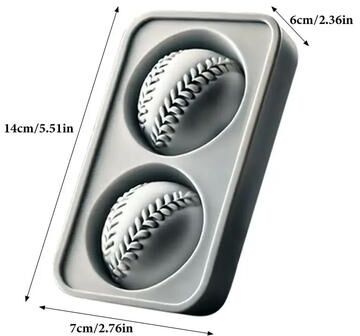
Inspired Living Hockey & Baseball Silicone Ice Mold Set For Cocktails Hockey Puck Ice Mold + Baseball Ice Cube Tray 2 GridsMake every sip feel like an occasion. This hockey puck ice mold and baseball set creates bold, slowmelting ice shapes that instantly upgrade whiskey, iced coffee, or party drinks. Designed for sports fans, home bartenders, and hosts who love...54,97 $*Shipping: 0,00 $Secure redirect to the provider
-
Why is CO2 not a dipole and H2O a dipole?
CO2 is not a dipole because it has a linear molecular geometry, meaning the two oxygen atoms are symmetrically arranged around the central carbon atom, resulting in a net dipole moment of zero. On the other hand, H2O is a dipole because it has a bent molecular geometry, causing the oxygen atom to pull the shared electrons closer to itself, resulting in a net dipole moment. This uneven distribution of charge creates a positive end (the hydrogen atoms) and a negative end (the oxygen atom), making H2O a polar molecule. **
-
When do Van der Waals forces and dipole-dipole interactions occur?
Van der Waals forces occur between all atoms and molecules, regardless of their polarity, due to temporary fluctuations in electron distribution. Dipole-dipole interactions, on the other hand, occur between polar molecules that have a permanent separation of positive and negative charges. Both types of interactions are important in determining the physical properties of substances, such as their boiling and melting points, and play a significant role in the behavior of gases, liquids, and solids. **
-
What is the difference between a dipole and a non-dipole?
A dipole is a molecule that has a separation of positive and negative charges, resulting in a net dipole moment. This means that the molecule has a non-uniform distribution of electron density, leading to a partial positive and partial negative charge. On the other hand, a non-dipole molecule has a symmetrical distribution of electron density, resulting in no net dipole moment. This means that the molecule does not have a separation of positive and negative charges, and therefore does not exhibit dipole-dipole interactions. **
-
What is the difference between hydrogen bonding and dipole-dipole interactions?
Hydrogen bonding is a specific type of dipole-dipole interaction that occurs between a hydrogen atom bonded to a highly electronegative atom (such as oxygen, nitrogen, or fluorine) and another electronegative atom in a different molecule. This type of interaction is stronger than regular dipole-dipole interactions because of the large electronegativity difference between the hydrogen and the other atom, resulting in a stronger attraction between the molecules. In contrast, dipole-dipole interactions occur between the positive end of one polar molecule and the negative end of another polar molecule, but do not involve a hydrogen atom bonded to a highly electronegative atom. **
* All prices are inclusive of VAT and, if applicable, plus shipping costs. The offer information is based on the details provided by the respective shop and is updated through automated processes. Real-time updates do not occur, so deviations can occur in individual cases. ** Note: Parts of this content were created by AI.