Buy sportsincanada.com ?
We are moving the project
sportsincanada.com .
Are you interested in purchasing the domain
sportsincanada.com ?
domain@kv-gmbh.de · 0541-91531010
Buy sportsincanada.com ?
What is differential covariance?
Differential covariance refers to the difference in the covariance between two variables across different groups or conditions. It is used to assess whether the relationship between two variables varies depending on different levels of a third variable. This can help to identify how the strength and direction of the relationship between two variables may change under different circumstances or conditions. Differential covariance is important in understanding how different factors may influence the relationship between variables in a given context. **
How can one annualize covariance?
To annualize covariance, you would first calculate the covariance between two variables over a specific time period. Then, you would multiply this covariance by the number of periods in a year to adjust for the fact that the original calculation was based on a shorter time frame. This helps to provide a more meaningful comparison of the relationship between the variables on an annual basis. Finally, annualizing covariance allows for better understanding and comparison of the risk and return characteristics of different assets or portfolios over time. **
Similar search terms for Covariance
Top-Angebote
Products related to Covariance:
-
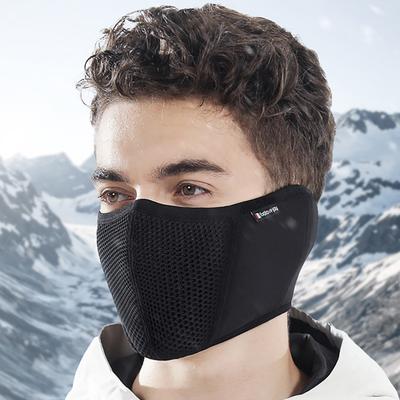
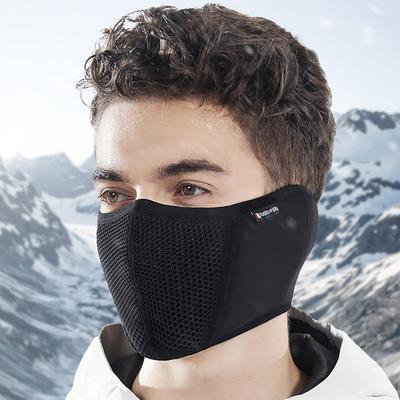
Friendly Fresh Finds Antifreeze Mask For Winter Cycling, Skiing And Running Cold Weather Gear Antifreeze Mask For Winter Cycling, Skiing And Running Cold Weather GearStay Warm and Protected with the Ultimate Winter Cycling Antifreeze Mask When the temperatures drop, don't let the cold weather stop you from enjoying your favorite outdoor activities. The Winter Cycling Antifreeze Mask is designed to keep you warm...27,97 $*Shipping: 0,00 $Secure redirect to the provider
-
Perfect Picks Market GTUBIKE Winter Cycling Mask Thermal Face Cover For Skiing, Running & Outdoor Sports GTUBIKE Winter Cycling Mask Thermal Face Cover For Skiing, Running & Outdoor SportsCold air, harsh wind, and freezing rides shouldnt stop your adventure. This winter cycling mask is designed to keep your face, ears, and neck comfortably warm during outdoor activities in cold weather. Made for cyclists, skiers, runners, and...31,97 $*Shipping: 0,00 $Secure redirect to the provider
-
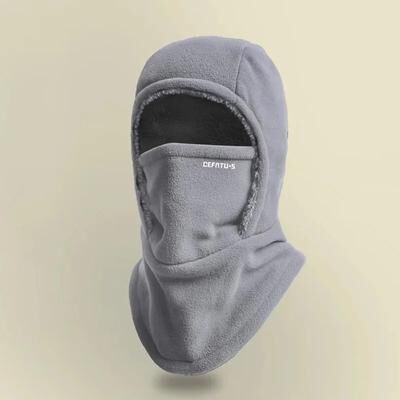
Inspired Living Thermal Windproof Balaclava Mask For Cycling, Skiing & Motorcycle Riding grayCold winds shouldnt stop your adventure. This winter balaclava mask is designed for riders, skiers, and outdoor enthusiasts who demand warmth without bulk. Made with soft fleece lining and a snug fullface fit, it shields you from biting wind while...26,97 $*Shipping: 0,00 $Secure redirect to the provider
-
Perfect Picks Market Windproof Winter Cycling Mask For Motorcycle, Skiing & Hiking Warm, Breathable Face Shield Unisex Windproof Winter Cycling Mask For Motorcycle, Skiing & Hiking Warm, Breathable Face Shield UnisexStay warm and protected this winter with our windproof winter cycling mask. Designed for outdoor enthusiasts, this mask offers exceptional comfort and breathability, making it perfect for a variety of activities such as cycling, skiing, and hiking....29,97 $*Shipping: 0,00 $Secure redirect to the provider


-
How do you calculate covariance?
Covariance is calculated by taking the average of the product of the deviations of each variable from their respective means. The formula for calculating covariance between two variables X and Y is: Cov(X,Y) = Σ[(X - μx)(Y - μy)] / n, where μx and μy are the means of X and Y, and n is the number of data points. A positive covariance indicates that the two variables tend to move in the same direction, while a negative covariance indicates that they tend to move in opposite directions. **
-
How do I determine the covariance?
Covariance is a measure of how two variables change together. To determine the covariance between two variables, you first need to calculate the mean of each variable. Then, for each pair of data points, you subtract the mean of each variable from the data point and multiply these differences together. Finally, you sum up all these products and divide by the total number of data points to get the covariance. A positive covariance indicates that the variables tend to move in the same direction, while a negative covariance indicates they move in opposite directions. **
-
What is independence and covariance in statistics?
Independence in statistics refers to the concept that the occurrence of one event does not affect the occurrence of another event. In other words, two events are independent if the probability of one event occurring does not change based on the occurrence of the other event. Covariance, on the other hand, measures the degree to which two random variables change together. It is a measure of the relationship between two variables, indicating whether they tend to increase or decrease together. A positive covariance indicates that the variables tend to move in the same direction, while a negative covariance indicates that they tend to move in opposite directions. **
-
What is the difference between contra and covariance?
The main difference between contra and covariance is the way they measure the relationship between two variables. Contra indicates an inverse relationship, meaning that as one variable increases, the other decreases. On the other hand, covariance measures the direction of the relationship between two variables, whether it is positive or negative. Contra is specifically used to describe the relationship between two securities in a portfolio, while covariance is a more general measure of the relationship between any two variables. **
Do outliers affect covariance, the correlation coefficient, or both?
Outliers can affect both covariance and the correlation coefficient. Outliers can have a significant impact on the covariance because they can pull the mean away from the center of the data, leading to a larger covariance value. Similarly, outliers can also influence the correlation coefficient by skewing the relationship between the variables, potentially increasing or decreasing the strength of the correlation. Therefore, it is important to be aware of outliers when interpreting covariance and correlation values. **
Is the square root of the covariance the variance?
No, the square root of the covariance is not the variance. The square root of the covariance is the correlation coefficient, which measures the strength and direction of the linear relationship between two variables. The variance, on the other hand, measures the spread or dispersion of a single variable. While both the covariance and variance are measures of variability, they are calculated and interpreted differently. **
Top-Angebote
Products related to Covariance:
-
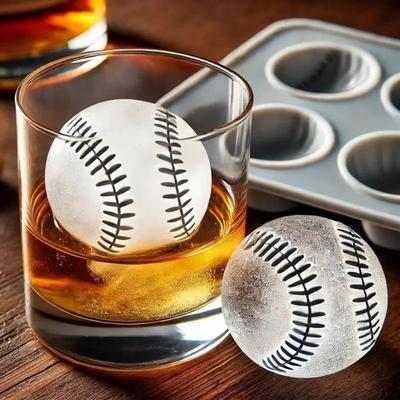
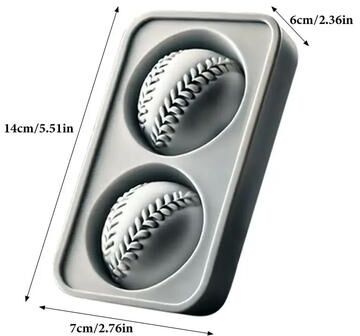
Inspired Living Hockey & Baseball Silicone Ice Mold Set For Cocktails Hockey Puck Ice Mold + Baseball Ice Cube Tray 4 GridsMake every sip feel like an occasion. This hockey puck ice mold and baseball set creates bold, slowmelting ice shapes that instantly upgrade whiskey, iced coffee, or party drinks. Designed for sports fans, home bartenders, and hosts who love...54,97 $*Shipping: 0,00 $Secure redirect to the provider
-
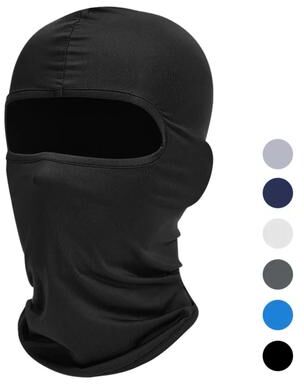
The Handy Homestead Breathable Full Face Balaclava Mask For Cycling Hiking Skiing And Airsoft Breathable Full Face Balaclava Mask For Cycling Hiking Skiing And AirsoftStay covered, cool, and comfortable wherever the trail takes you. This breathable balaclava is a lightweight full face mask designed for cyclists, hikers, campers, hunters, riders, and airsoft players who need flexible protection without bulky gear....29,97 $*Shipping: 0,00 $Secure redirect to the provider
-
Friendly Fresh Finds Antifreeze Mask For Winter Cycling, Skiing And Running Cold Weather Gear Antifreeze Mask For Winter Cycling, Skiing And Running Cold Weather GearStay Warm and Protected with the Ultimate Winter Cycling Antifreeze Mask When the temperatures drop, don't let the cold weather stop you from enjoying your favorite outdoor activities. The Winter Cycling Antifreeze Mask is designed to keep you warm...27,97 $*Shipping: 0,00 $Secure redirect to the provider
-
Perfect Picks Market GTUBIKE Winter Cycling Mask Thermal Face Cover For Skiing, Running & Outdoor Sports GTUBIKE Winter Cycling Mask Thermal Face Cover For Skiing, Running & Outdoor SportsCold air, harsh wind, and freezing rides shouldnt stop your adventure. This winter cycling mask is designed to keep your face, ears, and neck comfortably warm during outdoor activities in cold weather. Made for cyclists, skiers, runners, and...31,97 $*Shipping: 0,00 $Secure redirect to the provider
-
What is differential covariance?
Differential covariance refers to the difference in the covariance between two variables across different groups or conditions. It is used to assess whether the relationship between two variables varies depending on different levels of a third variable. This can help to identify how the strength and direction of the relationship between two variables may change under different circumstances or conditions. Differential covariance is important in understanding how different factors may influence the relationship between variables in a given context. **
-
How can one annualize covariance?
To annualize covariance, you would first calculate the covariance between two variables over a specific time period. Then, you would multiply this covariance by the number of periods in a year to adjust for the fact that the original calculation was based on a shorter time frame. This helps to provide a more meaningful comparison of the relationship between the variables on an annual basis. Finally, annualizing covariance allows for better understanding and comparison of the risk and return characteristics of different assets or portfolios over time. **
-
How do you calculate covariance?
Covariance is calculated by taking the average of the product of the deviations of each variable from their respective means. The formula for calculating covariance between two variables X and Y is: Cov(X,Y) = Σ[(X - μx)(Y - μy)] / n, where μx and μy are the means of X and Y, and n is the number of data points. A positive covariance indicates that the two variables tend to move in the same direction, while a negative covariance indicates that they tend to move in opposite directions. **
-
How do I determine the covariance?
Covariance is a measure of how two variables change together. To determine the covariance between two variables, you first need to calculate the mean of each variable. Then, for each pair of data points, you subtract the mean of each variable from the data point and multiply these differences together. Finally, you sum up all these products and divide by the total number of data points to get the covariance. A positive covariance indicates that the variables tend to move in the same direction, while a negative covariance indicates they move in opposite directions. **
Similar search terms for Covariance
-
Inspired Living Thermal Windproof Balaclava Mask For Cycling, Skiing & Motorcycle Riding grayCold winds shouldnt stop your adventure. This winter balaclava mask is designed for riders, skiers, and outdoor enthusiasts who demand warmth without bulk. Made with soft fleece lining and a snug fullface fit, it shields you from biting wind while...26,97 $*Shipping: 0,00 $Secure redirect to the provider
-
Perfect Picks Market Windproof Winter Cycling Mask For Motorcycle, Skiing & Hiking Warm, Breathable Face Shield Unisex Windproof Winter Cycling Mask For Motorcycle, Skiing & Hiking Warm, Breathable Face Shield UnisexStay warm and protected this winter with our windproof winter cycling mask. Designed for outdoor enthusiasts, this mask offers exceptional comfort and breathability, making it perfect for a variety of activities such as cycling, skiing, and hiking....29,97 $*Shipping: 0,00 $Secure redirect to the provider
-
USA Free Shipping Shop Windproof Winter Face Mask Thermal Ski Mask For Cycling, Skiing & Cold Weather Protection Windproof Winter Face Mask Thermal Ski Mask For Cycling, Skiing & Cold Weather ProtectionStay warm and comfortable no matter how harsh the weather gets with this Winter face mask designed for outdoor adventures and daily commutes. Built for cyclists, skiers, runners, hikers, and anyone who spends time outdoors, it provides reliable...37,97 $*Shipping: 0,00 $Secure redirect to the provider
-
Inspired Living Hockey & Baseball Silicone Ice Mold Set For Cocktails Hockey Puck Ice Mold + Baseball Ice Cube Tray 2 GridsMake every sip feel like an occasion. This hockey puck ice mold and baseball set creates bold, slowmelting ice shapes that instantly upgrade whiskey, iced coffee, or party drinks. Designed for sports fans, home bartenders, and hosts who love...54,97 $*Shipping: 0,00 $Secure redirect to the provider
-
What is independence and covariance in statistics?
Independence in statistics refers to the concept that the occurrence of one event does not affect the occurrence of another event. In other words, two events are independent if the probability of one event occurring does not change based on the occurrence of the other event. Covariance, on the other hand, measures the degree to which two random variables change together. It is a measure of the relationship between two variables, indicating whether they tend to increase or decrease together. A positive covariance indicates that the variables tend to move in the same direction, while a negative covariance indicates that they tend to move in opposite directions. **
-
What is the difference between contra and covariance?
The main difference between contra and covariance is the way they measure the relationship between two variables. Contra indicates an inverse relationship, meaning that as one variable increases, the other decreases. On the other hand, covariance measures the direction of the relationship between two variables, whether it is positive or negative. Contra is specifically used to describe the relationship between two securities in a portfolio, while covariance is a more general measure of the relationship between any two variables. **
-
Do outliers affect covariance, the correlation coefficient, or both?
Outliers can affect both covariance and the correlation coefficient. Outliers can have a significant impact on the covariance because they can pull the mean away from the center of the data, leading to a larger covariance value. Similarly, outliers can also influence the correlation coefficient by skewing the relationship between the variables, potentially increasing or decreasing the strength of the correlation. Therefore, it is important to be aware of outliers when interpreting covariance and correlation values. **
-
Is the square root of the covariance the variance?
No, the square root of the covariance is not the variance. The square root of the covariance is the correlation coefficient, which measures the strength and direction of the linear relationship between two variables. The variance, on the other hand, measures the spread or dispersion of a single variable. While both the covariance and variance are measures of variability, they are calculated and interpreted differently. **
* All prices are inclusive of VAT and, if applicable, plus shipping costs. The offer information is based on the details provided by the respective shop and is updated through automated processes. Real-time updates do not occur, so deviations can occur in individual cases. ** Note: Parts of this content were created by AI.