Buy sportsincanada.com ?
We are moving the project
sportsincanada.com .
Are you interested in purchasing the domain
sportsincanada.com ?
domain@kv-gmbh.de · 0541-91531010
Buy sportsincanada.com ?
What is the actual difference between catalytic specificity and substrate specificity in enzymes?
Catalytic specificity refers to the ability of an enzyme to catalyze a specific chemical reaction, while substrate specificity refers to the ability of an enzyme to bind to a specific substrate. In other words, catalytic specificity is about the type of reaction that an enzyme can catalyze, while substrate specificity is about the specific molecule that an enzyme can bind to and act upon. Enzymes can have different levels of specificity for both their catalytic activity and their substrate binding, which allows them to carry out specific functions in the cell. **
What are substrate specificity and activity specificity using the example of restriction enzymes?
Substrate specificity refers to the ability of an enzyme to recognize and bind to a specific substrate molecule. In the case of restriction enzymes, they have substrate specificity for particular DNA sequences, known as recognition sites. For example, the restriction enzyme EcoRI recognizes and binds to the DNA sequence GAATTC. Activity specificity, on the other hand, refers to the specific chemical reaction that an enzyme catalyzes. In the case of restriction enzymes, their activity specificity is to cleave the DNA at specific recognition sites. For example, EcoRI cleaves the DNA at the GAATTC sequence. In summary, substrate specificity refers to the ability of an enzyme to recognize and bind to a specific substrate molecule, while activity specificity refers to the specific chemical reaction that the enzyme catalyzes. In the case of restriction enzymes, they have substrate specificity for specific DNA sequences and activity specificity to cleave the DNA at those sequences. **


Similar search terms for Specificity
Top-Angebote
Products related to Specificity:
-
Friendly Fresh Finds Antifreeze Mask For Winter Cycling, Skiing And Running Cold Weather Gear Antifreeze Mask For Winter Cycling, Skiing And Running Cold Weather GearStay Warm and Protected with the Ultimate Winter Cycling Antifreeze Mask When the temperatures drop, don't let the cold weather stop you from enjoying your favorite outdoor activities. The Winter Cycling Antifreeze Mask is designed to keep you warm...27,97 $*Shipping: 0,00 $Secure redirect to the provider
-
Perfect Picks Market GTUBIKE Winter Cycling Mask Thermal Face Cover For Skiing, Running & Outdoor Sports GTUBIKE Winter Cycling Mask Thermal Face Cover For Skiing, Running & Outdoor SportsCold air, harsh wind, and freezing rides shouldnt stop your adventure. This winter cycling mask is designed to keep your face, ears, and neck comfortably warm during outdoor activities in cold weather. Made for cyclists, skiers, runners, and...31,97 $*Shipping: 0,00 $Secure redirect to the provider
-
Inspired Living Thermal Windproof Balaclava Mask For Cycling, Skiing & Motorcycle Riding grayCold winds shouldnt stop your adventure. This winter balaclava mask is designed for riders, skiers, and outdoor enthusiasts who demand warmth without bulk. Made with soft fleece lining and a snug fullface fit, it shields you from biting wind while...26,97 $*Shipping: 0,00 $Secure redirect to the provider
-
Perfect Picks Market Windproof Winter Cycling Mask For Motorcycle, Skiing & Hiking Warm, Breathable Face Shield Unisex Windproof Winter Cycling Mask For Motorcycle, Skiing & Hiking Warm, Breathable Face Shield UnisexStay warm and protected this winter with our windproof winter cycling mask. Designed for outdoor enthusiasts, this mask offers exceptional comfort and breathability, making it perfect for a variety of activities such as cycling, skiing, and hiking....29,97 $*Shipping: 0,00 $Secure redirect to the provider




-
What is the substrate specificity of enzymes?
The substrate specificity of enzymes refers to the ability of an enzyme to recognize and bind to a specific substrate molecule. Enzymes are highly specific in their interactions with substrates, as they have active sites that are uniquely shaped to accommodate specific substrates. This specificity ensures that enzymes only catalyze specific reactions and do not interact with other molecules in the cell. Substrate specificity is crucial for the efficiency and regulation of biochemical reactions in living organisms. **
-
What is the group specificity of enzymes?
Group specificity of enzymes refers to the ability of an enzyme to act on a specific functional group within a substrate molecule. This means that the enzyme can only catalyze a reaction involving a particular functional group, such as an alcohol or an amine. Enzymes with group specificity are highly selective and only interact with substrates that contain the specific functional group that they are designed to act upon. This specificity is important for the regulation and control of biochemical pathways in living organisms. **
-
What is the biosubstrate specificity of bonds?
The biosubstrate specificity of bonds refers to the ability of enzymes to selectively bind to specific substrates and catalyze specific chemical reactions. Enzymes have specific active sites that are complementary to the shape and chemical properties of their substrates, allowing them to form temporary bonds and facilitate the conversion of substrates into products. This specificity is crucial for the regulation of biochemical pathways and the overall functioning of biological systems. It ensures that the right reactions occur at the right time and in the right place within the cell. **
-
What is the specificity of enzymes on substrates?
Enzymes are highly specific in their interactions with substrates, meaning that each enzyme typically catalyzes a specific chemical reaction with a specific substrate. This specificity is due to the unique three-dimensional shape of the enzyme's active site, which is complementary to the shape and chemical properties of its specific substrate. The enzyme-substrate interaction is often compared to a lock and key, where the enzyme (lock) can only bind to its specific substrate (key) due to their precise matching shapes and chemical properties. This specificity ensures that enzymes can efficiently catalyze specific reactions without interfering with other cellular processes. **

What does the term cell type specificity mean?
Cell type specificity refers to the unique characteristics and functions of a particular type of cell within an organism. It means that certain cells are specialized to perform specific tasks or functions within the body, and they have distinct molecular and structural features that enable them to carry out these functions. This specificity allows for the coordination and regulation of various physiological processes within the organism, as different cell types can perform their specialized roles in a coordinated manner. Understanding cell type specificity is important for studying the development, function, and dysfunction of different tissues and organs in the body. **
Could you please provide an urgent answer regarding specificity of effect?
Specificity of effect refers to the idea that a particular intervention or treatment has a targeted and precise impact on a specific outcome or condition, without affecting other unrelated factors. It is crucial to consider when evaluating the effectiveness of a treatment or intervention, as it helps determine whether the observed changes are directly linked to the intervention or if they could be influenced by other variables. Understanding the specificity of effect can help researchers and practitioners make informed decisions about the most appropriate course of action for addressing a particular issue. **
Top-Angebote
Products related to Specificity:
-
Inspired Living Hockey & Baseball Silicone Ice Mold Set For Cocktails Hockey Puck Ice Mold + Baseball Ice Cube Tray 4 GridsMake every sip feel like an occasion. This hockey puck ice mold and baseball set creates bold, slowmelting ice shapes that instantly upgrade whiskey, iced coffee, or party drinks. Designed for sports fans, home bartenders, and hosts who love...54,97 $*Shipping: 0,00 $Secure redirect to the provider
-
The Handy Homestead Breathable Full Face Balaclava Mask For Cycling Hiking Skiing And Airsoft Breathable Full Face Balaclava Mask For Cycling Hiking Skiing And AirsoftStay covered, cool, and comfortable wherever the trail takes you. This breathable balaclava is a lightweight full face mask designed for cyclists, hikers, campers, hunters, riders, and airsoft players who need flexible protection without bulky gear....29,97 $*Shipping: 0,00 $Secure redirect to the provider
-
Friendly Fresh Finds Antifreeze Mask For Winter Cycling, Skiing And Running Cold Weather Gear Antifreeze Mask For Winter Cycling, Skiing And Running Cold Weather GearStay Warm and Protected with the Ultimate Winter Cycling Antifreeze Mask When the temperatures drop, don't let the cold weather stop you from enjoying your favorite outdoor activities. The Winter Cycling Antifreeze Mask is designed to keep you warm...27,97 $*Shipping: 0,00 $Secure redirect to the provider
-
Perfect Picks Market GTUBIKE Winter Cycling Mask Thermal Face Cover For Skiing, Running & Outdoor Sports GTUBIKE Winter Cycling Mask Thermal Face Cover For Skiing, Running & Outdoor SportsCold air, harsh wind, and freezing rides shouldnt stop your adventure. This winter cycling mask is designed to keep your face, ears, and neck comfortably warm during outdoor activities in cold weather. Made for cyclists, skiers, runners, and...31,97 $*Shipping: 0,00 $Secure redirect to the provider
-
What is the actual difference between catalytic specificity and substrate specificity in enzymes?
Catalytic specificity refers to the ability of an enzyme to catalyze a specific chemical reaction, while substrate specificity refers to the ability of an enzyme to bind to a specific substrate. In other words, catalytic specificity is about the type of reaction that an enzyme can catalyze, while substrate specificity is about the specific molecule that an enzyme can bind to and act upon. Enzymes can have different levels of specificity for both their catalytic activity and their substrate binding, which allows them to carry out specific functions in the cell. **
-
What are substrate specificity and activity specificity using the example of restriction enzymes?
Substrate specificity refers to the ability of an enzyme to recognize and bind to a specific substrate molecule. In the case of restriction enzymes, they have substrate specificity for particular DNA sequences, known as recognition sites. For example, the restriction enzyme EcoRI recognizes and binds to the DNA sequence GAATTC. Activity specificity, on the other hand, refers to the specific chemical reaction that an enzyme catalyzes. In the case of restriction enzymes, their activity specificity is to cleave the DNA at specific recognition sites. For example, EcoRI cleaves the DNA at the GAATTC sequence. In summary, substrate specificity refers to the ability of an enzyme to recognize and bind to a specific substrate molecule, while activity specificity refers to the specific chemical reaction that the enzyme catalyzes. In the case of restriction enzymes, they have substrate specificity for specific DNA sequences and activity specificity to cleave the DNA at those sequences. **
-
What is the substrate specificity of enzymes?
The substrate specificity of enzymes refers to the ability of an enzyme to recognize and bind to a specific substrate molecule. Enzymes are highly specific in their interactions with substrates, as they have active sites that are uniquely shaped to accommodate specific substrates. This specificity ensures that enzymes only catalyze specific reactions and do not interact with other molecules in the cell. Substrate specificity is crucial for the efficiency and regulation of biochemical reactions in living organisms. **
-
What is the group specificity of enzymes?
Group specificity of enzymes refers to the ability of an enzyme to act on a specific functional group within a substrate molecule. This means that the enzyme can only catalyze a reaction involving a particular functional group, such as an alcohol or an amine. Enzymes with group specificity are highly selective and only interact with substrates that contain the specific functional group that they are designed to act upon. This specificity is important for the regulation and control of biochemical pathways in living organisms. **
Similar search terms for Specificity
-
Inspired Living Thermal Windproof Balaclava Mask For Cycling, Skiing & Motorcycle Riding grayCold winds shouldnt stop your adventure. This winter balaclava mask is designed for riders, skiers, and outdoor enthusiasts who demand warmth without bulk. Made with soft fleece lining and a snug fullface fit, it shields you from biting wind while...26,97 $*Shipping: 0,00 $Secure redirect to the provider
-
Perfect Picks Market Windproof Winter Cycling Mask For Motorcycle, Skiing & Hiking Warm, Breathable Face Shield Unisex Windproof Winter Cycling Mask For Motorcycle, Skiing & Hiking Warm, Breathable Face Shield UnisexStay warm and protected this winter with our windproof winter cycling mask. Designed for outdoor enthusiasts, this mask offers exceptional comfort and breathability, making it perfect for a variety of activities such as cycling, skiing, and hiking....29,97 $*Shipping: 0,00 $Secure redirect to the provider
-
USA Free Shipping Shop Windproof Winter Face Mask Thermal Ski Mask For Cycling, Skiing & Cold Weather Protection Windproof Winter Face Mask Thermal Ski Mask For Cycling, Skiing & Cold Weather ProtectionStay warm and comfortable no matter how harsh the weather gets with this Winter face mask designed for outdoor adventures and daily commutes. Built for cyclists, skiers, runners, hikers, and anyone who spends time outdoors, it provides reliable...37,97 $*Shipping: 0,00 $Secure redirect to the provider
-
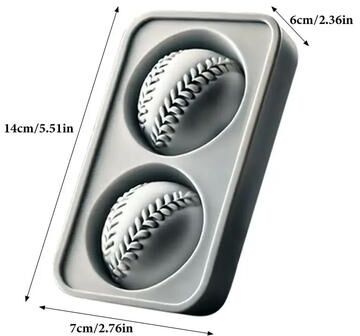
Inspired Living Hockey & Baseball Silicone Ice Mold Set For Cocktails Hockey Puck Ice Mold + Baseball Ice Cube Tray 2 GridsMake every sip feel like an occasion. This hockey puck ice mold and baseball set creates bold, slowmelting ice shapes that instantly upgrade whiskey, iced coffee, or party drinks. Designed for sports fans, home bartenders, and hosts who love...54,97 $*Shipping: 0,00 $Secure redirect to the provider
-
What is the biosubstrate specificity of bonds?
The biosubstrate specificity of bonds refers to the ability of enzymes to selectively bind to specific substrates and catalyze specific chemical reactions. Enzymes have specific active sites that are complementary to the shape and chemical properties of their substrates, allowing them to form temporary bonds and facilitate the conversion of substrates into products. This specificity is crucial for the regulation of biochemical pathways and the overall functioning of biological systems. It ensures that the right reactions occur at the right time and in the right place within the cell. **
-
What is the specificity of enzymes on substrates?
Enzymes are highly specific in their interactions with substrates, meaning that each enzyme typically catalyzes a specific chemical reaction with a specific substrate. This specificity is due to the unique three-dimensional shape of the enzyme's active site, which is complementary to the shape and chemical properties of its specific substrate. The enzyme-substrate interaction is often compared to a lock and key, where the enzyme (lock) can only bind to its specific substrate (key) due to their precise matching shapes and chemical properties. This specificity ensures that enzymes can efficiently catalyze specific reactions without interfering with other cellular processes. **
-
What does the term cell type specificity mean?
Cell type specificity refers to the unique characteristics and functions of a particular type of cell within an organism. It means that certain cells are specialized to perform specific tasks or functions within the body, and they have distinct molecular and structural features that enable them to carry out these functions. This specificity allows for the coordination and regulation of various physiological processes within the organism, as different cell types can perform their specialized roles in a coordinated manner. Understanding cell type specificity is important for studying the development, function, and dysfunction of different tissues and organs in the body. **
-
Could you please provide an urgent answer regarding specificity of effect?
Specificity of effect refers to the idea that a particular intervention or treatment has a targeted and precise impact on a specific outcome or condition, without affecting other unrelated factors. It is crucial to consider when evaluating the effectiveness of a treatment or intervention, as it helps determine whether the observed changes are directly linked to the intervention or if they could be influenced by other variables. Understanding the specificity of effect can help researchers and practitioners make informed decisions about the most appropriate course of action for addressing a particular issue. **
* All prices are inclusive of VAT and, if applicable, plus shipping costs. The offer information is based on the details provided by the respective shop and is updated through automated processes. Real-time updates do not occur, so deviations can occur in individual cases. ** Note: Parts of this content were created by AI.