Buy sportsincanada.com ?
We are moving the project
sportsincanada.com .
Are you interested in purchasing the domain
sportsincanada.com ?
domain@kv-gmbh.de · 0541-91531010
Buy sportsincanada.com ?
When do you use Roger and when Wilco?
In aviation communication, "Roger" is used to acknowledge that a message has been received and understood, while "Wilco" is used to indicate that a message has been received, understood, and will be complied with. Therefore, "Roger" is used when acknowledging a message, and "Wilco" is used when confirming both understanding and compliance with the message. Both terms are important for clear and effective communication in aviation to ensure that instructions are properly followed. **
Was Count Dracula real?
Count Dracula was not a real historical figure. The character of Count Dracula was created by author Bram Stoker in his 1897 novel "Dracula." Stoker drew inspiration from various historical figures and folklore to create the iconic vampire character. While there have been real-life individuals who may have inspired certain aspects of the character, Count Dracula himself is a fictional creation. **

Similar search terms for Wilco-International-Dracula-and
Top-Angebote
Products related to Wilco-International-Dracula-and:
-
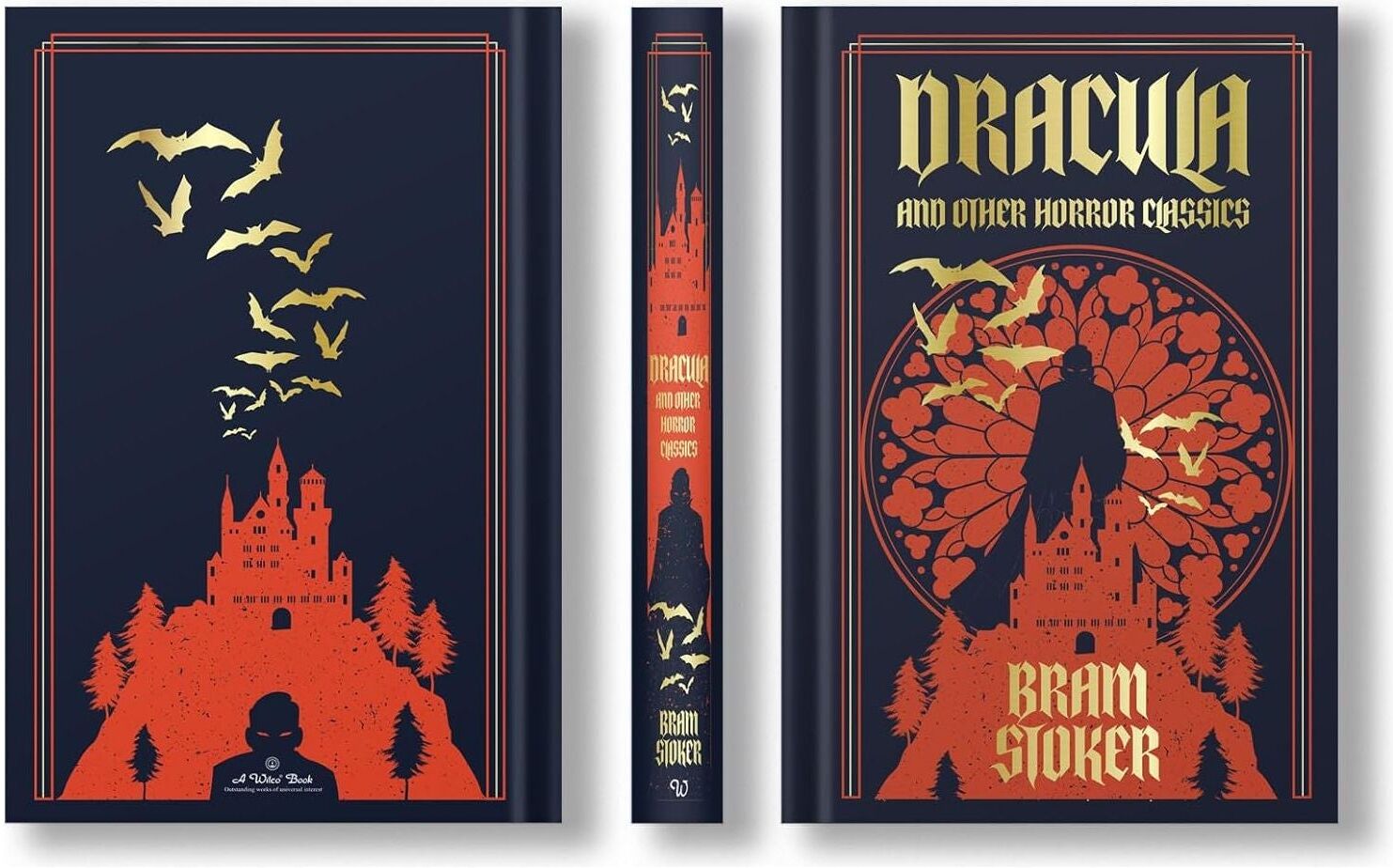
Dracula And Other Horror Classics By Bram Stoker - Ages 14+ - Leather Bound/Hardback Wilco Books“Once again...welcome to my house. Come freely. Go safely; and leave something of the happiness you bring.” Bram Stoker’s Dracula is a quintessential horror classic, featuring the iconic vampire Count Dracula and his pursuit of victims in Victorian England. Alongside Dracula, Stoker’s repertoire includes eerie tales such as The Jewel of Seven Stars and The Lair of the White Worm. These chilling narratives explore themes of fear, obsession, and the supernatural, solidifying Stoker’s legacy as a master of gothic fiction and shaping the horror genre for generations to come.10,99 £*Shipping: 2,99 £Secure redirect to the provider
-
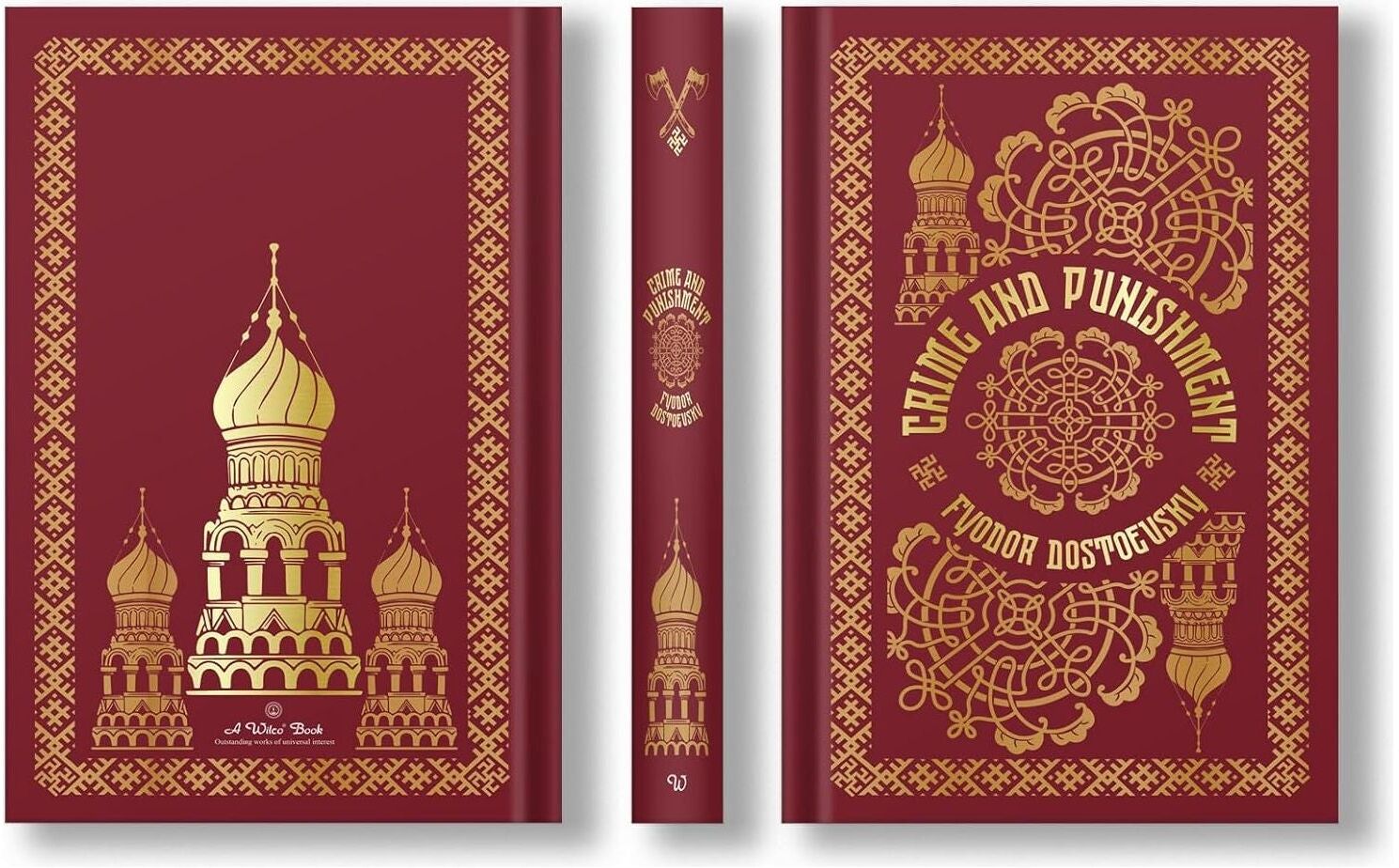
Wilco International LLP Fyodor Dostoevsky: Crime And Punishment (Leather-bound)Crime and Punishment “Pain and suffering are always inevitable for a large intelligence and a deep heart.” - Fyodor Dostoyevsky, Crime and Punishment Crime and Punishment, written by Fyodor Dostoevsky, tells the story of Rodion Raskolnikov, a poor former student in St. Petersburg, who struggles with the moral implications of committing a murder. Motivated by his nihilistic beliefs and desperate circumstances, Raskolnikov sets out to test his theory of the "extraordinary man" by killing a pawnbroker. As he deals with the psychological torment of his crime, Raskolnikov becomes entangled in a web of guilt, paranoia, and existential anguish, haunted by his own conscience and the relentless pursuit of justice. Set in 19th-century Russia, Dostoevsky explores themes of morality, redemption, and the human capacity for both good and evil, creating a compelling narrative that delves into the depths of the human psyche. Through Raskolnikov’s internal struggle and eventual redemption, Crime and Punishment offers profound insights into the complexities of human nature and the consequences of moral transgression.8,99 £*Shipping: 2,99 £Secure redirect to the provider
-
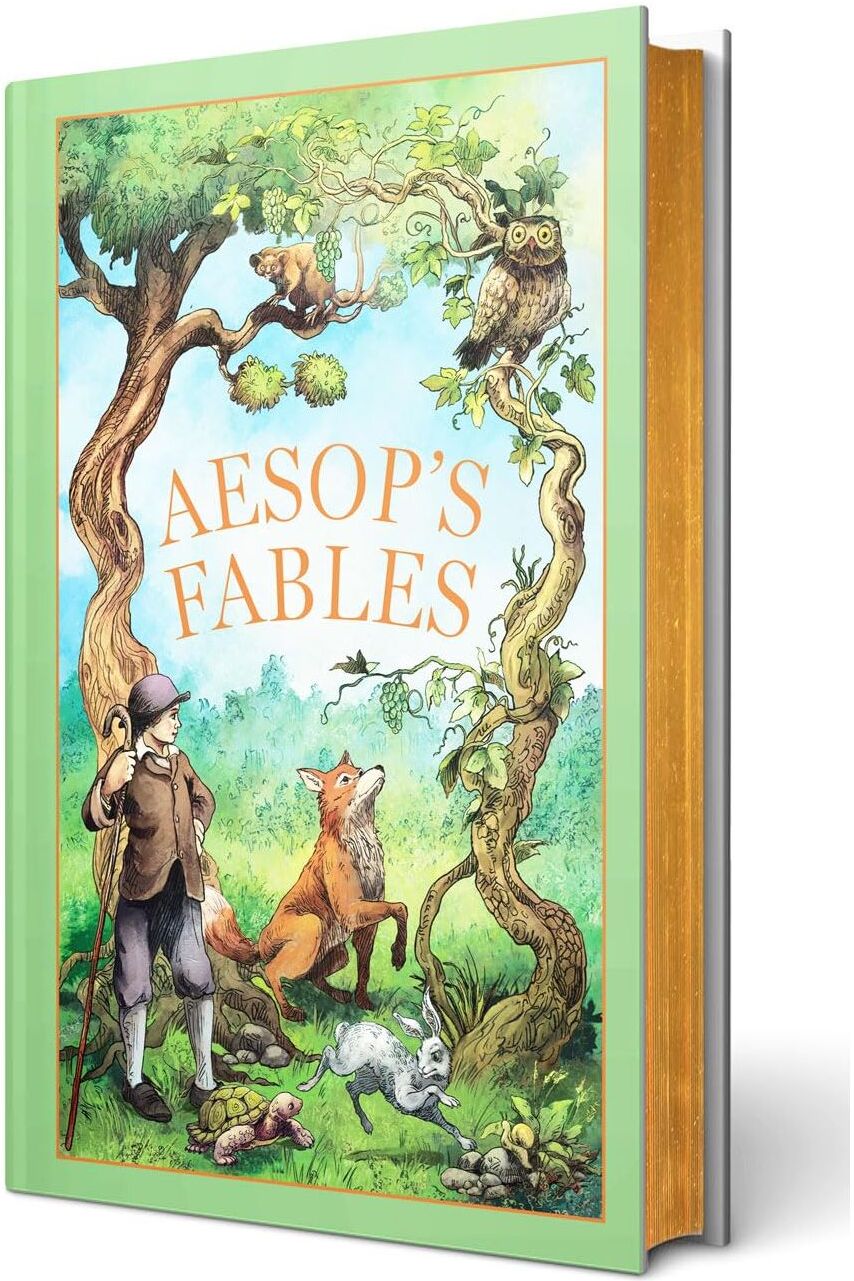
Wilco International LLP Aesop's Fables (Leather-bound)Aesop’s Fables “Misfortune tests the sincerity of friends.” - Aesop, Aesop’s Fables Aesop’s Fables, timeless moral tales attributed to the ancient Greek storyteller Aesop, offer succinct wisdom through anthropomorphic animals and concise narratives. These short stories, such as The Tortoise and the Hare and The Boy Who Cried Wolf, impart moral lessons on honesty, diligence, and wisdom. The fables have transcended centuries, resonating with readers worldwide, fostering a legacy of enduring storytelling that imparts valuable life lessons in an engaging and accessible manner.9,99 £*Shipping: 2,99 £Secure redirect to the provider
-
Wilco International LLP War and Peace by Leo Tolstoy (Leather Bound)War and Peace centers broadly on Napoleon's invasion of Russia in 1812 and follows three of the best-known characters in literature: Pierre Bezukhov, the illegitimate son of a count who is fighting for his inheritance and yearning for spiritual fulfillment; Prince Andrei Bolkonsky, who leaves behind his family to fight in the war against Napoleon; and Natasha Rostov, the beautiful young daughter of a nobleman, who intrigues both men. As Napoleon's army invades, Tolstoy vividly follows characters from diverse backgrounds--peasants and nobility, civilians and soldiers--as they struggle with the problems unique to their era, their history, and their culture. And as the novel progresses, these characters transcend their specificity, becoming some of the most moving--and human--figures in world literature.9,99 £*Shipping: 2,99 £Secure redirect to the provider


-
When do you use Roger and when do you use Wilco?
In radio communication, "Roger" is used to acknowledge that a message has been received and understood, while "Wilco" is used to indicate that a message has been received, understood, and will be complied with. So, you would use "Roger" when you have understood a message but are not necessarily confirming that you will comply with it, and you would use "Wilco" when you are confirming both understanding and compliance with the message. **
-
'How do you find Dracula?'
Dracula is a fictional character created by author Bram Stoker in his 1897 novel. The character is a vampire who preys on humans to survive. Dracula is typically portrayed as a sophisticated and charismatic figure with supernatural powers. The novel has been adapted into numerous films, television shows, and other forms of media, making Dracula one of the most iconic and enduring figures in horror literature. **
-
How do you find Dracula?
Dracula is a fictional character created by author Bram Stoker in his 1897 novel. The character is a vampire who resides in Transylvania and preys on humans to survive. Dracula is typically depicted as a charismatic and seductive figure with supernatural powers. The character has become a popular figure in popular culture and has been portrayed in numerous films, television shows, and other forms of media. **
-
How did Vlad Dracula die?
Vlad Dracula, also known as Vlad the Impaler, died in battle against the Ottoman Empire in 1476. After being betrayed by his allies and captured by the Ottomans, he was killed in combat. There are conflicting accounts of his exact cause of death, with some sources claiming he was beheaded and others stating that he was killed in battle. Regardless of the specifics, Vlad Dracula's death marked the end of his reign as the voivode of Wallachia. **
What is the Wilco in the radio telephony certificate?
The term "Wilco" in radio telephony is short for "will comply." It is used to acknowledge a message and indicate that the instructions or information provided will be followed. This term is commonly used in aviation communication to ensure clear understanding and confirmation of instructions between pilots and air traffic controllers. **
What is the Wilco in the radio communication certificate?
The term "Wilco" in radio communication is short for "will comply." It is used to acknowledge a message and indicate that the instructions or information provided will be followed. This term is commonly used in aviation and military communications to ensure clear understanding and confirmation of instructions between parties. **
Top-Angebote
Products related to Wilco-International-Dracula-and:
-
Wilco International LLP Dracula by Bram Stoker (Deluxe Hardback Sprayed Edge Edition)Enter the dark and mysterious world of Dracula by Bram Stoker, presented in a striking Deluxe Hardback Sprayed Edge Edition. One of the most influential works of Gothic horror, Dracula follows Jonathan Harker's terrifying encounter with Count Dracula and the desperate struggle that follows as the mysterious Transylvanian vampire brings his sinister presence to England. Told through letters, diaries, newspaper reports, and other documents, Stoker's legendary novel combines Gothic horror, suspense, supernatural mystery, and Victorian literature in a story that helped define the modern vampire genre. This deluxe edition combines a timeless literary classic with an eye-catching hardback format and decorative sprayed edges, making it an attractive addition to a personal library or classic book collection.4,99 £*Shipping: 1,99 £Secure redirect to the provider
-
Wilco International LLP Bram Stoker Dracula And Other Horror Classics Leather-bound - Timeless Gothic Fiction, Supernatural Tales & Vampire Stories“Once again...welcome to my house. Come freely. Go safely; and leave something of the happiness you bring.” - Bram Stoker, Dracula Bram Stoker’s Dracula is a quintessential horror classic, featuring the iconic vampire Count Dracula and his pursuit of victims in Victorian England. Alongside Dracula, Stoker’s repertoire includes eerie tales such as The Jewel of Seven Stars and The Lair of the White Worm. These chilling narratives explore themes of fear, obsession, and the supernatural, solidifying Stoker’s legacy as a master of gothic fiction and shaping the horror genre for generations to come.8,99 £*Shipping: 2,99 £Secure redirect to the provider
-
Dracula And Other Horror Classics By Bram Stoker - Ages 14+ - Leather Bound/Hardback Wilco Books“Once again...welcome to my house. Come freely. Go safely; and leave something of the happiness you bring.” Bram Stoker’s Dracula is a quintessential horror classic, featuring the iconic vampire Count Dracula and his pursuit of victims in Victorian England. Alongside Dracula, Stoker’s repertoire includes eerie tales such as The Jewel of Seven Stars and The Lair of the White Worm. These chilling narratives explore themes of fear, obsession, and the supernatural, solidifying Stoker’s legacy as a master of gothic fiction and shaping the horror genre for generations to come.10,99 £*Shipping: 2,99 £Secure redirect to the provider
-
Wilco International LLP Fyodor Dostoevsky: Crime And Punishment (Leather-bound)Crime and Punishment “Pain and suffering are always inevitable for a large intelligence and a deep heart.” - Fyodor Dostoyevsky, Crime and Punishment Crime and Punishment, written by Fyodor Dostoevsky, tells the story of Rodion Raskolnikov, a poor former student in St. Petersburg, who struggles with the moral implications of committing a murder. Motivated by his nihilistic beliefs and desperate circumstances, Raskolnikov sets out to test his theory of the "extraordinary man" by killing a pawnbroker. As he deals with the psychological torment of his crime, Raskolnikov becomes entangled in a web of guilt, paranoia, and existential anguish, haunted by his own conscience and the relentless pursuit of justice. Set in 19th-century Russia, Dostoevsky explores themes of morality, redemption, and the human capacity for both good and evil, creating a compelling narrative that delves into the depths of the human psyche. Through Raskolnikov’s internal struggle and eventual redemption, Crime and Punishment offers profound insights into the complexities of human nature and the consequences of moral transgression.8,99 £*Shipping: 2,99 £Secure redirect to the provider
-
When do you use Roger and when Wilco?
In aviation communication, "Roger" is used to acknowledge that a message has been received and understood, while "Wilco" is used to indicate that a message has been received, understood, and will be complied with. Therefore, "Roger" is used when acknowledging a message, and "Wilco" is used when confirming both understanding and compliance with the message. Both terms are important for clear and effective communication in aviation to ensure that instructions are properly followed. **
-
Was Count Dracula real?
Count Dracula was not a real historical figure. The character of Count Dracula was created by author Bram Stoker in his 1897 novel "Dracula." Stoker drew inspiration from various historical figures and folklore to create the iconic vampire character. While there have been real-life individuals who may have inspired certain aspects of the character, Count Dracula himself is a fictional creation. **
-
When do you use Roger and when do you use Wilco?
In radio communication, "Roger" is used to acknowledge that a message has been received and understood, while "Wilco" is used to indicate that a message has been received, understood, and will be complied with. So, you would use "Roger" when you have understood a message but are not necessarily confirming that you will comply with it, and you would use "Wilco" when you are confirming both understanding and compliance with the message. **
-
'How do you find Dracula?'
Dracula is a fictional character created by author Bram Stoker in his 1897 novel. The character is a vampire who preys on humans to survive. Dracula is typically portrayed as a sophisticated and charismatic figure with supernatural powers. The novel has been adapted into numerous films, television shows, and other forms of media, making Dracula one of the most iconic and enduring figures in horror literature. **
Similar search terms for Wilco-International-Dracula-and
-
Wilco International LLP Aesop's Fables (Leather-bound)Aesop’s Fables “Misfortune tests the sincerity of friends.” - Aesop, Aesop’s Fables Aesop’s Fables, timeless moral tales attributed to the ancient Greek storyteller Aesop, offer succinct wisdom through anthropomorphic animals and concise narratives. These short stories, such as The Tortoise and the Hare and The Boy Who Cried Wolf, impart moral lessons on honesty, diligence, and wisdom. The fables have transcended centuries, resonating with readers worldwide, fostering a legacy of enduring storytelling that imparts valuable life lessons in an engaging and accessible manner.9,99 £*Shipping: 2,99 £Secure redirect to the provider
-
Wilco International LLP War and Peace by Leo Tolstoy (Leather Bound)War and Peace centers broadly on Napoleon's invasion of Russia in 1812 and follows three of the best-known characters in literature: Pierre Bezukhov, the illegitimate son of a count who is fighting for his inheritance and yearning for spiritual fulfillment; Prince Andrei Bolkonsky, who leaves behind his family to fight in the war against Napoleon; and Natasha Rostov, the beautiful young daughter of a nobleman, who intrigues both men. As Napoleon's army invades, Tolstoy vividly follows characters from diverse backgrounds--peasants and nobility, civilians and soldiers--as they struggle with the problems unique to their era, their history, and their culture. And as the novel progresses, these characters transcend their specificity, becoming some of the most moving--and human--figures in world literature.9,99 £*Shipping: 2,99 £Secure redirect to the provider
-
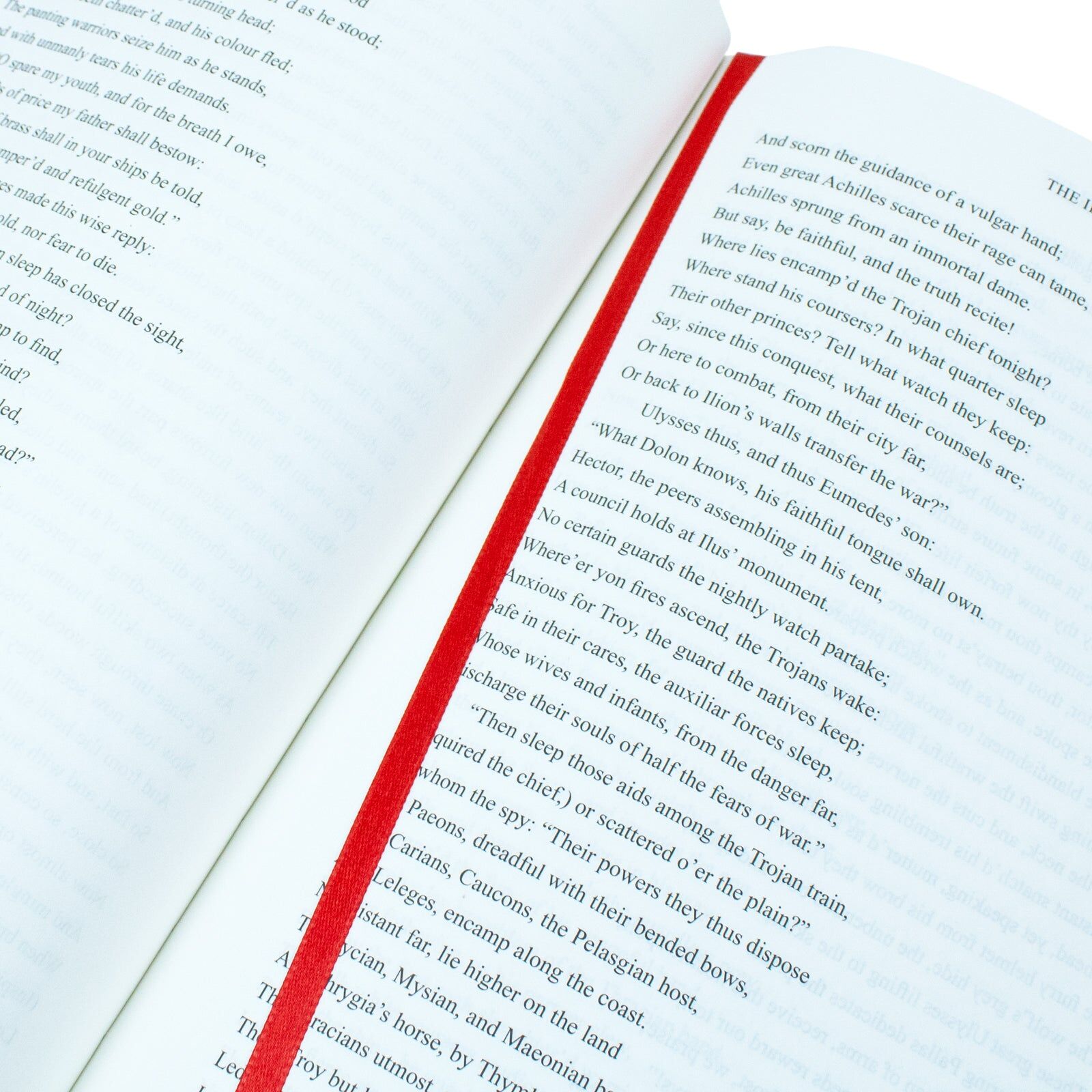
Wilco International LLP HOMER: The Iliad and The Odyssey (Leather-bound)This edition features two of the most significant works of ancient Greek literature: Homer’s The Iliad and The Odyssey. The Iliad recounts the events of the Trojan War, while The Odyssey follows Odysseus’s long journey home. Presented in one volume, these epics offer readers a view into heroism, conflict, and adventure that has shaped storytelling for centuries.8,99 £*Shipping: 2,99 £Secure redirect to the provider
-
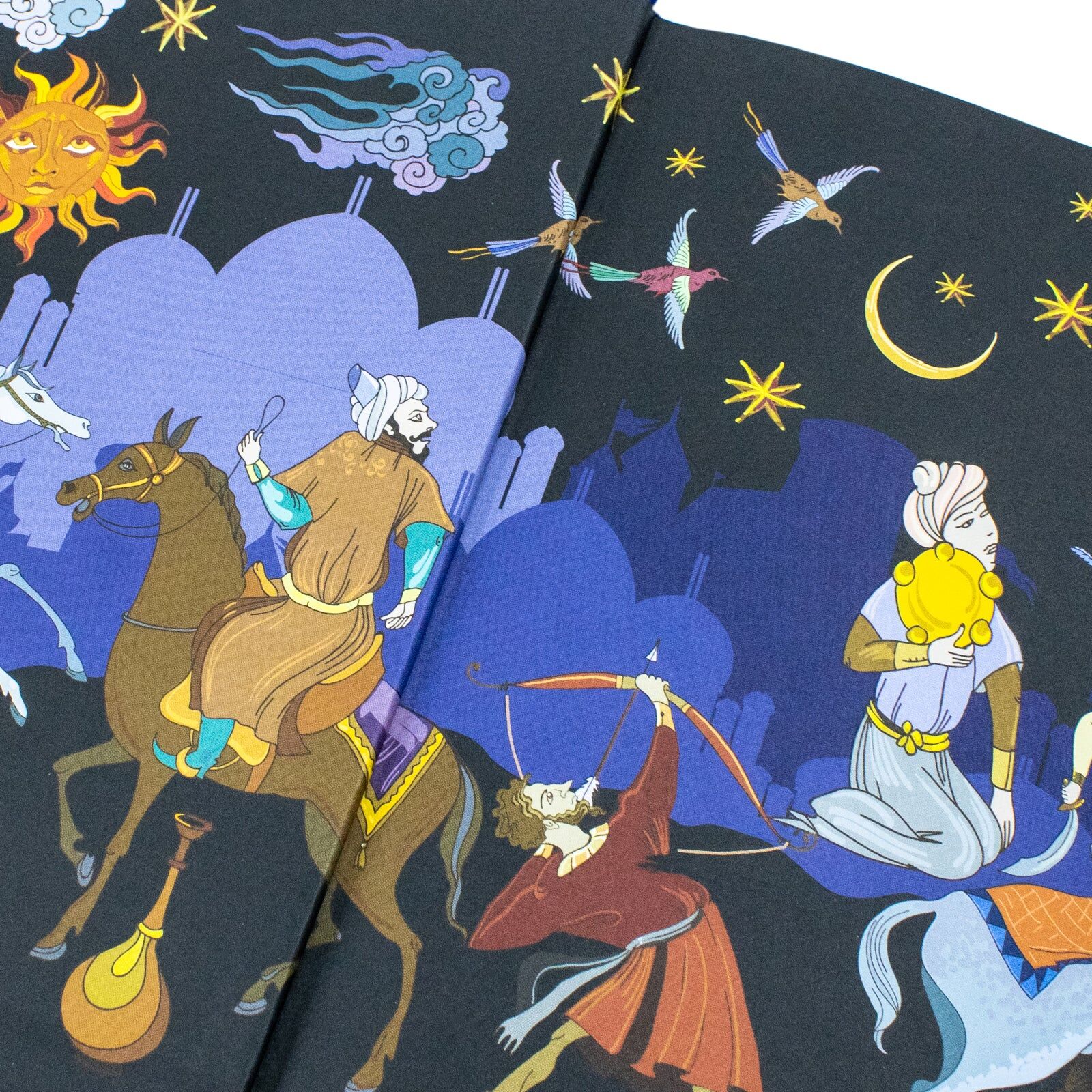
Wilco International LLP The Arabian Nights (Leather-bound)Richard F. Burton’s translation of The Arabian Nights brings to life a collection of Middle Eastern and South Asian stories filled with adventure, mystery, and magic. This edition includes illustrations that enhance the vivid imagery of the original tales, highlighting Scheherazade’s storytelling, which weaves together legends, fables, and folk narratives.8,99 £*Shipping: 2,99 £Secure redirect to the provider
-
How do you find Dracula?
Dracula is a fictional character created by author Bram Stoker in his 1897 novel. The character is a vampire who resides in Transylvania and preys on humans to survive. Dracula is typically depicted as a charismatic and seductive figure with supernatural powers. The character has become a popular figure in popular culture and has been portrayed in numerous films, television shows, and other forms of media. **
-
How did Vlad Dracula die?
Vlad Dracula, also known as Vlad the Impaler, died in battle against the Ottoman Empire in 1476. After being betrayed by his allies and captured by the Ottomans, he was killed in combat. There are conflicting accounts of his exact cause of death, with some sources claiming he was beheaded and others stating that he was killed in battle. Regardless of the specifics, Vlad Dracula's death marked the end of his reign as the voivode of Wallachia. **
-
What is the Wilco in the radio telephony certificate?
The term "Wilco" in radio telephony is short for "will comply." It is used to acknowledge a message and indicate that the instructions or information provided will be followed. This term is commonly used in aviation communication to ensure clear understanding and confirmation of instructions between pilots and air traffic controllers. **
-
What is the Wilco in the radio communication certificate?
The term "Wilco" in radio communication is short for "will comply." It is used to acknowledge a message and indicate that the instructions or information provided will be followed. This term is commonly used in aviation and military communications to ensure clear understanding and confirmation of instructions between parties. **
* All prices are inclusive of VAT and, if applicable, plus shipping costs. The offer information is based on the details provided by the respective shop and is updated through automated processes. Real-time updates do not occur, so deviations can occur in individual cases. ** Note: Parts of this content were created by AI.