Buy sportsincanada.com ?
We are moving the project
sportsincanada.com .
Are you interested in purchasing the domain
sportsincanada.com ?
domain@kv-gmbh.de · 0541-91531010
Buy sportsincanada.com ?
Does "Passer" use "avoir" or "être"?
"Passer" uses the auxiliary verb "avoir" in compound tenses. For example, in the passé composé, you would say "j'ai passé" (I have passed) using the verb "avoir" as the auxiliary. **
What is the negation of être?
The negation of être in French is ne pas être. This means "to not be" in English. When using the negation of être, the word ne comes before the verb and pas comes after the verb. For example, "Je suis" (I am) becomes "Je ne suis pas" (I am not). **

Similar search terms for Être
Top-Angebote
Products related to Être:
-
"Soozier 35"" x 18"" Street Indoor & Outdoor Training Equipment Hockey Goal, Easy Setup Hockey Net with Metal Frame"Descriptions: Unleash the next ice hockey star with Soozier's Hockey Goal! With a frame crafted from rustproof painted metal and a net crafted from tear-resistant polyester, this hockey net endures the toughest shots.32,00 $*Shipping: 0,00 $Secure redirect to the provider
-
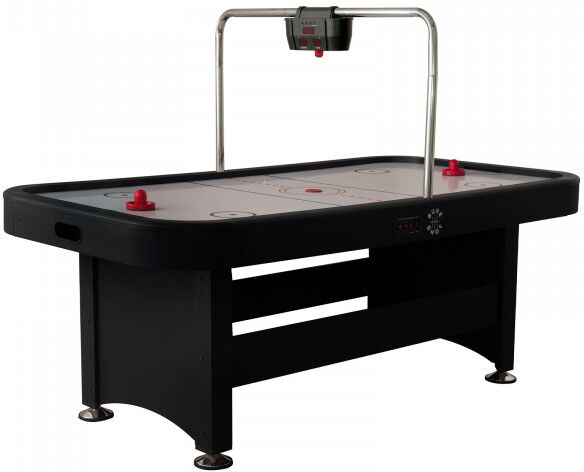
sureshot Sure Shot Championship Air Hockey TableThe Sure Shot Championship Air Hockey Table brings all the fun of arcade-style air hockey into your home. The sturdy 7ft design feels just right, and the smooth PVC surface with a powerful 230V fan keeps the puck flying across the table. The overhead electronic scoreboard keeps track of every...599,00 £*Shipping: 0,00 £Secure redirect to the provider
-
sureshot Sure Shot Competition Air Hockey TableThe Sure Shot Competition Air Hockey Table is all about fast, exciting games at home. The sturdy 7ft table has a smooth surface, so the puck moves quickly and easily. A powerful 230V fan keeps the air flowing for a real arcade feel. The electronic scoreboard tracks every goal automatically, so...549,00 £*Shipping: 0,00 £Secure redirect to the provider



-
With which verbs is être conjugated?
Être is conjugated with verbs that indicate motion, change, or a state of being, such as aller (to go), venir (to come), partir (to leave), arriver (to arrive), tomber (to fall), naître (to be born), mourir (to die), rester (to stay), and devenir (to become). These verbs are often referred to as "verbs of motion and change" and they require être as their auxiliary verb in compound tenses like the passé composé. **
-
Where does the peut-être have to go?
The "peut-être" does not have a physical location to go to, as it is a French expression that means "maybe" or "perhaps." It is used to indicate uncertainty or possibility in a statement. Therefore, it does not have a specific destination, but rather it is used to convey a sense of uncertainty or doubt in a situation. **
-
How do you conjugate the verbs être or avoir?
To conjugate the verb "être" (to be) in French, you would say: - Je suis (I am) - Tu es (You are) - Il/Elle/On est (He/She/One is) - Nous sommes (We are) - Vous êtes (You are) - Ils/Elles sont (They are) To conjugate the verb "avoir" (to have) in French, you would say: - J'ai (I have) - Tu as (You have) - Il/Elle/On a (He/She/One has) - Nous avons (We have) - Vous avez (You have) - Ils/Elles ont (They have) **
-
What is a sentence with 'être d' in it?
Il est important d'être à l'heure pour la réunion. **


What is a sentence with 'être d' in English?
One example of a sentence with 'être d' in English is "She seems to be of French descent." In this sentence, 'être d' is translated as 'to be of' and is used to indicate someone's origin or background. **
How do I know if it's être or avoir?
In French, the choice between "être" (to be) and "avoir" (to have) as auxiliary verbs depends on the main verb in the sentence. Generally, "être" is used with intransitive verbs that indicate a state or condition, such as "aller" (to go) or "venir" (to come), while "avoir" is used with transitive verbs that indicate an action, such as "manger" (to eat) or "regarder" (to watch). However, there are some exceptions, so it's important to learn the specific verbs that require "être" as their auxiliary. Additionally, reflexive verbs always use "être" as their auxiliary. **
Top-Angebote
Products related to Être:
-
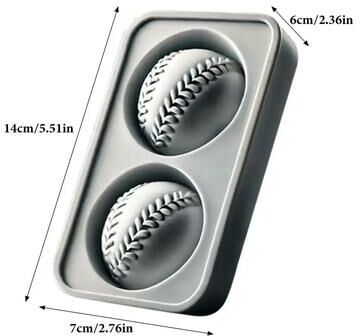
Inspired Living Hockey & Baseball Silicone Ice Mold Set For Cocktails Hockey Puck Ice Mold + Baseball Ice Cube Tray 2 GridsMake every sip feel like an occasion. This hockey puck ice mold and baseball set creates bold, slowmelting ice shapes that instantly upgrade whiskey, iced coffee, or party drinks. Designed for sports fans, home bartenders, and hosts who love...54,97 $*Shipping: 0,00 $Secure redirect to the provider
-
"Soozier 35"" x 18"" Street Indoor & Outdoor Training Equipment Hockey Goal, Easy Setup Hockey Net with Metal Frame"Descriptions: Unleash the next ice hockey star with Soozier's Hockey Goal! With a frame crafted from rustproof painted metal and a net crafted from tear-resistant polyester, this hockey net endures the toughest shots.32,00 $*Shipping: 0,00 $Secure redirect to the provider
-
sureshot Sure Shot Championship Air Hockey TableThe Sure Shot Championship Air Hockey Table brings all the fun of arcade-style air hockey into your home. The sturdy 7ft design feels just right, and the smooth PVC surface with a powerful 230V fan keeps the puck flying across the table. The overhead electronic scoreboard keeps track of every...599,00 £*Shipping: 0,00 £Secure redirect to the provider
-
Does "Passer" use "avoir" or "être"?
"Passer" uses the auxiliary verb "avoir" in compound tenses. For example, in the passé composé, you would say "j'ai passé" (I have passed) using the verb "avoir" as the auxiliary. **
-
What is the negation of être?
The negation of être in French is ne pas être. This means "to not be" in English. When using the negation of être, the word ne comes before the verb and pas comes after the verb. For example, "Je suis" (I am) becomes "Je ne suis pas" (I am not). **
-
With which verbs is être conjugated?
Être is conjugated with verbs that indicate motion, change, or a state of being, such as aller (to go), venir (to come), partir (to leave), arriver (to arrive), tomber (to fall), naître (to be born), mourir (to die), rester (to stay), and devenir (to become). These verbs are often referred to as "verbs of motion and change" and they require être as their auxiliary verb in compound tenses like the passé composé. **
-
Where does the peut-être have to go?
The "peut-être" does not have a physical location to go to, as it is a French expression that means "maybe" or "perhaps." It is used to indicate uncertainty or possibility in a statement. Therefore, it does not have a specific destination, but rather it is used to convey a sense of uncertainty or doubt in a situation. **
Similar search terms for Être
-
sureshot Sure Shot Competition Air Hockey TableThe Sure Shot Competition Air Hockey Table is all about fast, exciting games at home. The sturdy 7ft table has a smooth surface, so the puck moves quickly and easily. A powerful 230V fan keeps the air flowing for a real arcade feel. The electronic scoreboard tracks every goal automatically, so...549,00 £*Shipping: 0,00 £Secure redirect to the provider
-
Inspired Living Hockey & Baseball Silicone Ice Mold Set For Cocktails Hockey Puck Ice Mold + Baseball Ice Cube Tray 4 GridsMake every sip feel like an occasion. This hockey puck ice mold and baseball set creates bold, slowmelting ice shapes that instantly upgrade whiskey, iced coffee, or party drinks. Designed for sports fans, home bartenders, and hosts who love...54,97 $*Shipping: 0,00 $Secure redirect to the provider
-
How do you conjugate the verbs être or avoir?
To conjugate the verb "être" (to be) in French, you would say: - Je suis (I am) - Tu es (You are) - Il/Elle/On est (He/She/One is) - Nous sommes (We are) - Vous êtes (You are) - Ils/Elles sont (They are) To conjugate the verb "avoir" (to have) in French, you would say: - J'ai (I have) - Tu as (You have) - Il/Elle/On a (He/She/One has) - Nous avons (We have) - Vous avez (You have) - Ils/Elles ont (They have) **
-
What is a sentence with 'être d' in it?
Il est important d'être à l'heure pour la réunion. **
-
What is a sentence with 'être d' in English?
One example of a sentence with 'être d' in English is "She seems to be of French descent." In this sentence, 'être d' is translated as 'to be of' and is used to indicate someone's origin or background. **
-
How do I know if it's être or avoir?
In French, the choice between "être" (to be) and "avoir" (to have) as auxiliary verbs depends on the main verb in the sentence. Generally, "être" is used with intransitive verbs that indicate a state or condition, such as "aller" (to go) or "venir" (to come), while "avoir" is used with transitive verbs that indicate an action, such as "manger" (to eat) or "regarder" (to watch). However, there are some exceptions, so it's important to learn the specific verbs that require "être" as their auxiliary. Additionally, reflexive verbs always use "être" as their auxiliary. **
* All prices are inclusive of VAT and, if applicable, plus shipping costs. The offer information is based on the details provided by the respective shop and is updated through automated processes. Real-time updates do not occur, so deviations can occur in individual cases. ** Note: Parts of this content were created by AI.